
Anthill Studios, one of the leading names in Nigeria’s filmmaking landscape, has numerous projects under its belt; from dramas to epic films and YouTube children’s content. A closer look at the studios’ filmography reveals a striking path when it comes to VFX and animation, with works like Mikolo, Jagun Jagun, Lisabi, Seven Doors, Casa De Novia, and League of Orishas leading the charge. In an interview with What Kept Me Up, Anthill Studios’ Head of VFX and Animation, Mary Claudia Nwoga, sheds more light on the process behind the studios’ “film tricks.”
“At Anthill Studios, our VFX and animation is always rooted in storytelling or what we like to call ‘visual deliciousness,’” Nwoga begins, echoing the vision of Anthill’s CEO, Niyi Akinmolayan, who founded the production house in 2009. “We try to create visually compelling worlds that draw in audiences, but it’s never just about using effects for spectacle. It’s about enhancing the story.” This outlook has influenced her work greatly in her last five years at the helm of visual effects at the production company.
“People watch visually interesting films like Jagun Jagun, Mikolo, Lisabi, and Seven Doors, and they’re amazed by the final results,” she states. “But the real magic starts long before post-production.” And that magic—as she calls it— relies heavily on teamwork and Anthill’s culture of collaboration and continuous learning.
(Click to Follow the What Kept Me Up channel on WhatsApp)
“From our compositors to our animators and matte painters, everyone brings ideas to the table after we watch the final cut together. We believe the best effects happen when everyone is actively engaged in the story, and that’s what sets our process apart,” she says, breaking down the process from the beginning.
“As soon as the script is ready, the VFX Supervisor is brought in. My job, at this point, is to read and highlight all the potential VFX moments. Then, I create a detailed breakdown and meet with the director and Director of Photography (DOP) so that we can go over each effect. This planning determines everything we’ll need on set, from camera data, measurements, and 3D scans to on-set tools like tracking markers and references for lighting or interaction.”
“Take Lisabi, for instance,” Nwoga further explains, “when we sat down with the director (Mr. Niyi Akinmolayan), the approach was clear: ‘How do we use VFX to better tell this story?’ So, we did deep research, learned new techniques, enhanced almost every scene, and basically pushed ourselves to find smarter, more effective ways to tell the story visually.”
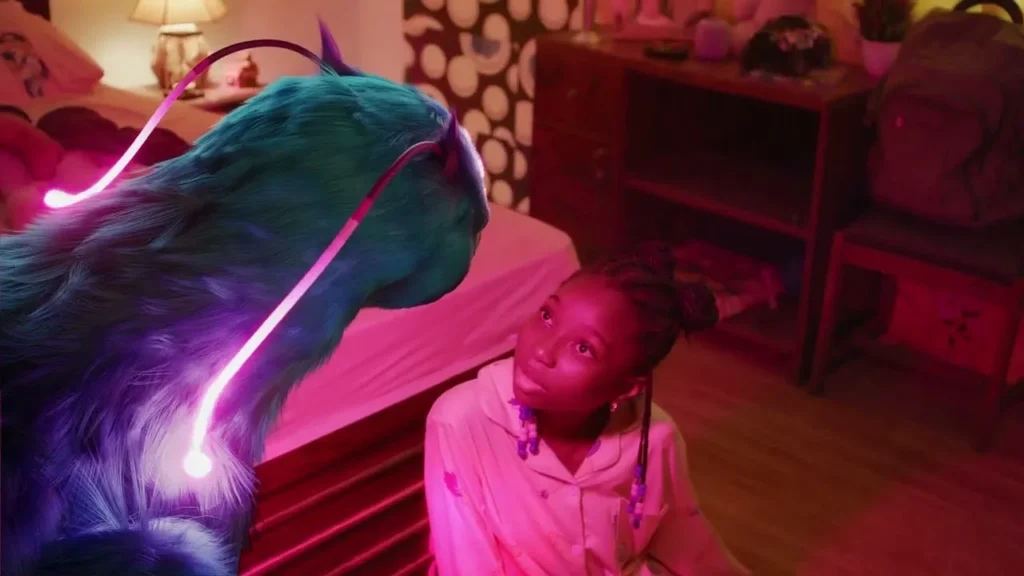
“You see, Research and Development (R&D) is a core part of our process,” she adds. “In Mikolo, we blended live-action and animation to create a fantastical world where the VFX carried much of the story. In Casa de Novia, we explored a different kind of challenge by combining practical effects with digital work to build a haunted house experience that felt both believable and emotionally intense. Then in League of Orishas, we created an animation series that featured African heroes. We experiment, we tinker—and yes, things occasionally break—but with every project, we’ve expanded our technical capabilities and our ability to tell powerful visual stories through innovation. From real-time engines to improving traditional pipelines, we are constantly learning and pushing boundaries.”
However, these are simply the first steps Anthill Studios’ VFX and animation team must get right to make post-production a smoother and more efficient journey.
“In post-production, we usually sit together with the director, editor, and VFX Supervisor to watch the final cut,” Nwoga shares. “That’s when we really think about questions like, ‘Does this moment benefit from visual enhancement?’ ‘Will it deepen or dampen the audience’s experience?’ All these questions help us identify where to enhance visuals, what needs VFX, and how best to approach each shot creatively and technically. We do this for all our films to ensure that decisions are made early on and the VFX truly enhances the movie experience.”
Despite her enthusiasm, on-screen results are not the sole marker for growth in Nollywood. Audience recognition and critical acclaim via awards and titles also play a role. But Nwoga, who won the 2024 AMAA award for Best VFX for her work in Jagun Jagun, insists, “The quality of the work always comes first. I believe it was thorough planning and the sheer scale and ambition of the visual effects in Jagun Jagun that truly set it apart. From the start, we aimed to push the boundaries of what’s possible with VFX in Nigerian cinema.”
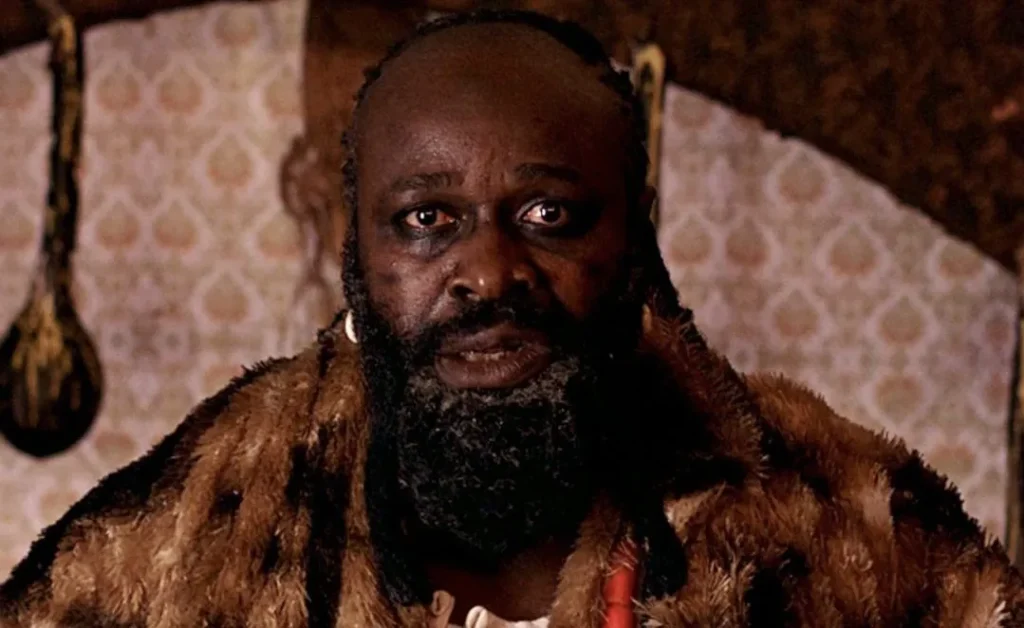
“We didn’t hold back. We used powerful tools and techniques like set extensions, object replacements, special effects compositing, particle and water simulations, rig removals, cleanups, 3D animation, and modeling.”
“You see that scale in scenes like Ogundiji’s palace, Agemo’s powers, and in the intensity of Gbotija’s magical moments,” she clarifies. “Every effect was designed to feel grounded in the world of the film, as a part of the narrative fabric, while still delivering spectacle. So yes, awards like the AMAA are incredibly encouraging, but they’re more of a byproduct of the creative mission than the goal. Recognition, when it comes, is just like icing on the cake.”
That said, such awards and titles do mean a few important things in Nwoga’s colourful world. First, it raises awareness about VFX in Nigeria and helps show its value to the wider industry. Secondly, it gives her a fun and easier way to explain what she does to curious minds. “A lot of people still think VFX is just ‘editing,’” she says with a laugh as she talks about the bigger challenges affecting Nollywood’s visual effects and animation landscape.
“On the production side, animation is very labour-intensive and time-consuming. We spend a lot of time in pre-production just planning and perfecting storyboards, animatics, and concepts to keep our process tight. But we also do this because, at the end of the day, there’s a limited pool of trained animation professionals in Nigeria.”
Nwoga continues, “That means we’ve had to do a lot of in-house training, mentorship, and pipeline development to grow our capacity and are now exploring efficient rendering systems, AI tools, and smart workflows to help speed up production and maintain high standards.” However, Anthill’s reasons for raising talents in VFX run deeper than the scope of studio-based operations.
The studio—which, by itself, had an exclusive multi-year partnership with streaming service Prime Video—has a deep interest in improving the broader Nollywood ecosystem by putting the right support systems in place. Akinmolayan-led initiatives like NollywoodFilmmaker (a one-stop hub that connects filmmakers with the industry’s most trusted crew members and service providers), OneTake App (a platform designed to match actors with filmmakers), and Anthill Family Vacation School (which runs programs like The Anthill Creative Club that teaches filmmaking, animation, AI and VFX to children between the ages of 8–16) aim to do just that while also nurturing the next generation of creators.
“At Anthill, we’ve always believed that our success means little if we’re not contributing to the growth of other filmmakers through collaborations, partnerships, or organised training and workshops,” Nwoga adds. “This is because we understand how challenging it can be to execute technically ambitious films, especially when it comes to post-production, VFX, and animation. So, by opening up access to the same quality services and collaborators we use internally, we’re helping more filmmakers deliver world-class films with confidence. It’s about raising the collective standard and shaping the industry.”
“Some of our strong collaborations have been with films like King of Thieves (Femi Adebayo’s Euphoria360 Media), Jagun Jagun (Adebayo’s Euphoria360 Media), Beasts of Two Worlds (Eniola Ajao’s Lighthouse Pictures), Lisabi (Lateef and Bimpe Adedimeji’s Al Notions Studio), and others that have gone on to do big things,” she says. In fact, the studios’ upcoming December release, Colours of Fire—announced with an animation-style teaser—is yet another collaboration, this time with FilmOne Studios and Osas Ighodaro’s Imuetiyan Productions.
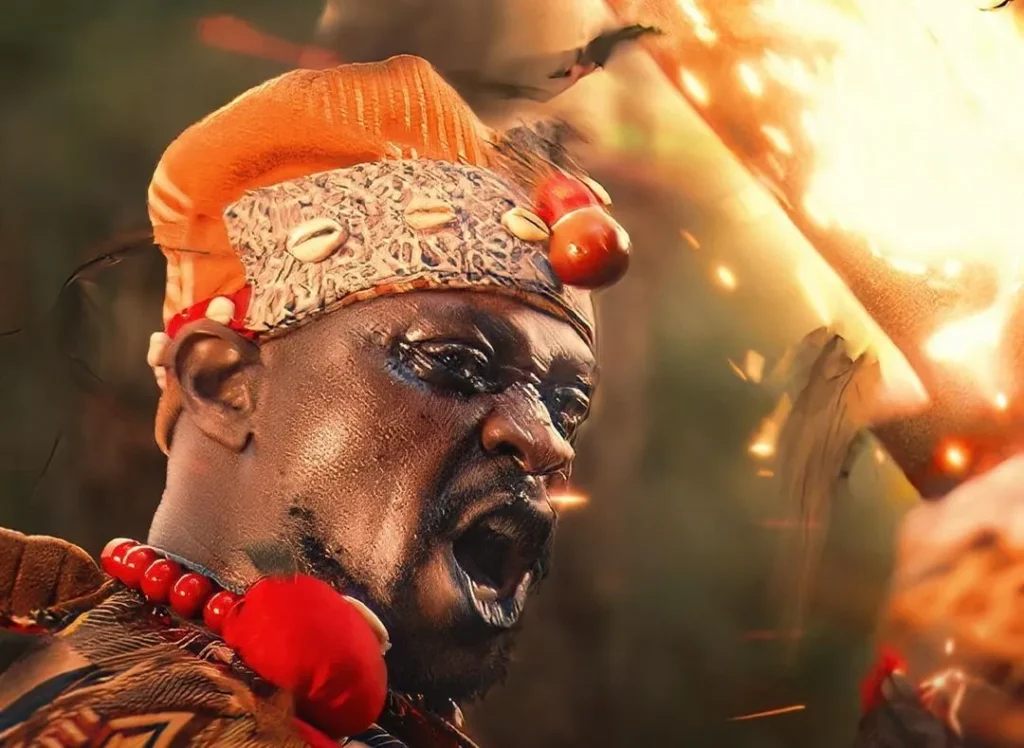
“The first thing that struck me about Colours of Fire was the bold play of colours and the unique initial designs we received, visuals that captured the director’s vision for production design, actors’ makeup, and costumes,” she reveals. “Much of the prep was done just from those pictures. From the first meeting, it was clear that the director, Mr. Niyi, was in a different headspace. The directive was the same thing we had on Lisabi: ‘Go crazy with it.’”
“We’ve handled intensive VFX projects before but Colours of Fire was on an unprecedented scale. Visual effects were in every scene. Planning started right from the story stage and our R&D kicked off immediately. We broke down each scene and started asking questions like: ‘What assets would we need?’ ‘How are we going to shoot this?’ and ‘What could we already start creating to save time in post?’” For Nwoga and her team, the answers lay in emerging technologies like real-time pre-visualisation tools and AI.
“Most VFX softwareS today already have AI built in, so naturally we used it in several parts of the workflow,” she states. “We used it in some initial concept iterations, background generation, quick visualisation of set extensions and other processes because it helped us test our ideas fast, explore variations, and communicate these concepts to the director, production design team, executive producers, and other stakeholders before committing to full 3D builds or on-set solutions.”
“We also leveraged real-time pre-visualisation tools for complex shots, since they let us see how the VFX would interact with the sets before filming,” Nwoga adds. “Procedural tools helped us build set extensions and large-scale environments very quickly while keeping visual consistency. Together, these technologies made the VFX process faster, more precise, and creatively flexible. Essentially, they gave us more space to experiment without slowing down production, letting us focus on storytelling rather than getting bogged down in technical details.”
“Because we understood the sets, costumes, and visual language, we could anticipate where digital extensions would be required (roofs, walls, entire environments) and begin creating them even before production. This early integration allowed us to build a foundation for the film’s world and gave post-production the breathing room to push the visuals further,” the visual effects aficionado elaborates. “When filming began, our focus simply shifted to what hadn’t been prepared: what was changing on set, what could be enhanced, and how best to approach each shot in real time.”
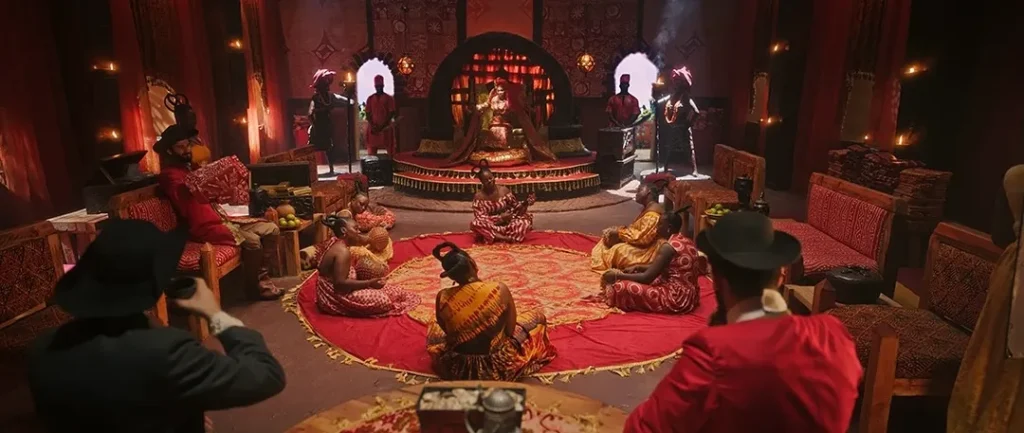
“With roughly 95% of Colours of Fire involving VFX, all this upfront planning made production and post far smoother for all departments including costume, set design, and even the cast acting before the camera. It helped us work better together and concentrate on creativity rather than firefighting.”
Time and again, Nwoga emphasises Anthill’s core belief that such collaboration is a key part of making films. However, making films is one thing. Reaching the target audience is a different challenge entirely, especially for a team that also creates family entertainment. “There’s a big gap in locally relevant, age-appropriate entertainment beyond animation, and we see this space as an opportunity to build content that not only entertains, but also shapes young minds,” the VFX maven discloses. “My department is especially focused on younger audiences and families, both in Nigeria and globally. But it’s a little challenging reaching this demographic.”
She adds, “Today’s younger audiences are heavily exposed to either foreign content or content that’s not age-appropriate. So, many kids now grow up watching adult-themed series or Western animation, which makes it harder for original African animated content to compete for their attention or gain local traction. To combat this, we stick to our themes of exploring heritage, identity, imagination, and heroism rooted in African history and mythology but told with universal appeal.”
“With Mikolo, for example,” Nwoga further explains, “we created a story about wonder and friendship in a magical world. In League of Orishas, we tapped into epic storytelling from African mythology. Through animation, we can bring culturally grounded and fun stories to life, stories that haven’t been seen before. Something both kids and parents can enjoy and be proud of, as we strive to make African characters and worlds part of the global imagination.”
Nwoga credits Studio Head Niyi Akinmolayan for the company’s direction in telling African stories in such visually creative ways, sharing how the filmmaker often talks about growing up watching incredible animated content from around the world, only to realise later that very few people were creating those kinds of stories here in Africa. “So, he decided to step in and change that,” she says. “This means animation is not just a genre for us; it’s a key part of our mission that offers us the creative freedom to explore mythology, fantasy, and Afrofuturism without the limitations of physical production. And that’s powerful.”
However, Anthill Studio’s dedication to telling family and youth-oriented content goes beyond visual effects and animations alone. “With Temi and the Labalaba Band on YouTube, we’ve stepped into that business of creating more.”
Temi and the Labalaba Band, the first of Anthill family’s children episodic content, carries a more musical and vibrant energy than Mikolo (which is really a story about connection, trust, and believing in the impossible, once you peel off its layers of fantasy and visual spectacle) or League of Orishas (an animated series currently in the works), while still celebrating curiosity and creativity in children, alongside values about friendship, bravery, and kindness through relatable yet unique characters, strong narratives, and shared viewing experiences. “That’s the real heart of our family-focused content,” she adds.
“Ultimately, we want to keep being a storytelling powerhouse creating films, series, and animations that are proudly African, globally competitive, and deeply meaningful. A lot of people are excited about the quality and originality coming out of Anthill, so we want the world to see it. Many more VFX-heavy stories are in the works, but we’re also pushing into new genres, exploring more fantasy, sci-fi, psychological thrillers, and even animation series,” Nwoga reveals as a sneak peek of Anthill Studios’ future projects. “International collaborations are on the table. These kinds of partnerships open doors for co-productions, technology exchange, and wider distribution, which helps elevate the entire industry. We are just scratching the surface with animations as a growing frontier for Anthill, and we’re excited to keep pushing it forward.”
Anthill’s children-focused episodic content remains available on YouTube. But their next major VFX project, Colours of Fire, a cinematic epic starring Uzor Arukwe, Osas Ighodaro, Mercy Aigbe, Femi Branch, and Gabriel Afolayan, will be in cinemas from December 24.
Become a patron: To support our in-depth and critical coverage—become a Patron today!
Join the conversation: Share your thoughts in the comments section or on our social media accounts.