
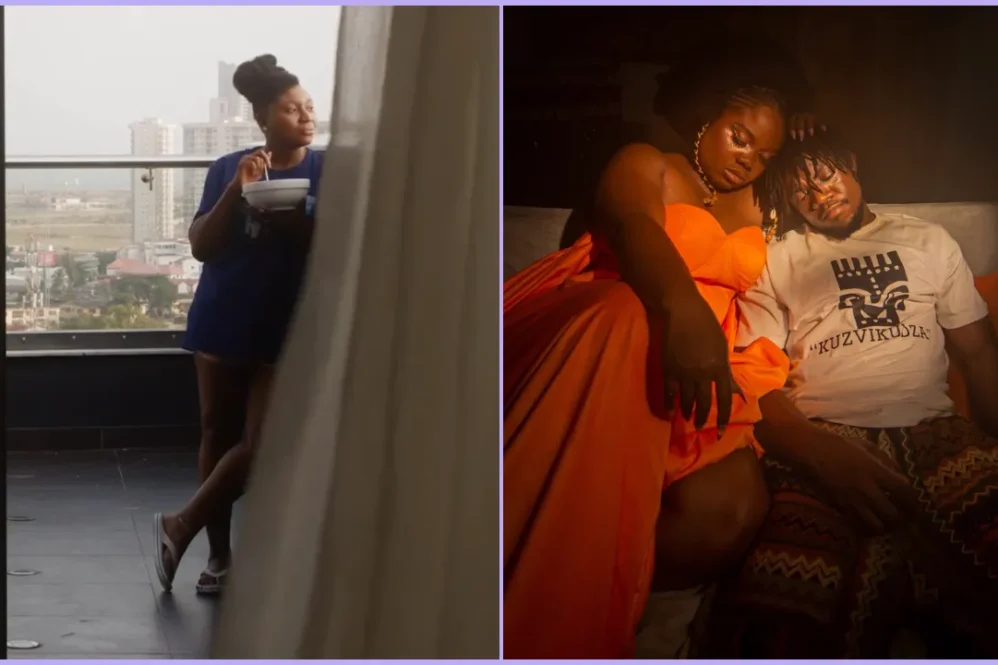
The Passage
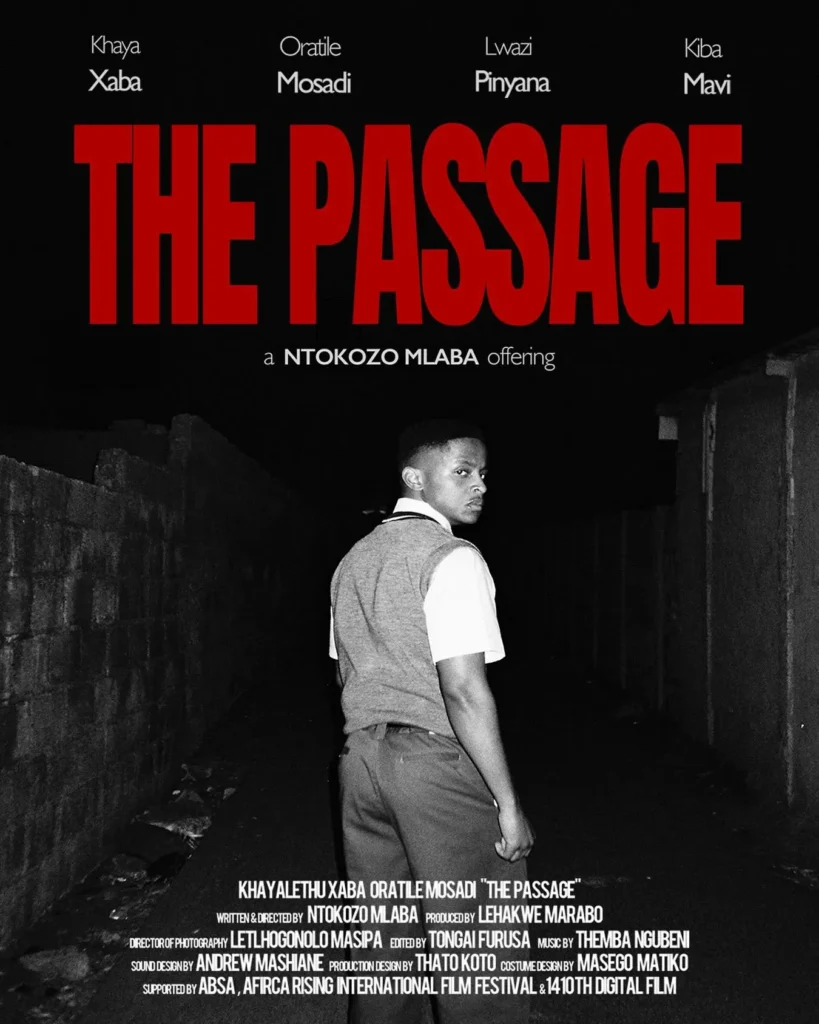
S16 Film Festival: In The Passage, South African filmmaker Ntokozo Mlaba shoots scenes with a jazzy lightness that veers into an almost supernatural aura. The scenes are slightly elevated from real life with their colours, angles and soundtracks which make its core subject hit even harder.
It tells the story of a student being blackmailed by his friend into lying to the police about the incidents of the night his girlfriend was raped. It puts the choice between the tight knit but often toxic community of young masculinity and the alienation of doing the right thing at its centre, juxtaposing the past in black and white with the present in colour as the main character contemplates how his choice could either save or banish him.
Effective on many fronts—perfomance, editing and soundtrack—and standing at twelve minutes, The Passage packs a punch reminding us that the community of men is often at the expense of women.
(Click to Follow the What Kept Me Up channel on WhatsApp)
Òdè! There is No Bus Stop on this Trip
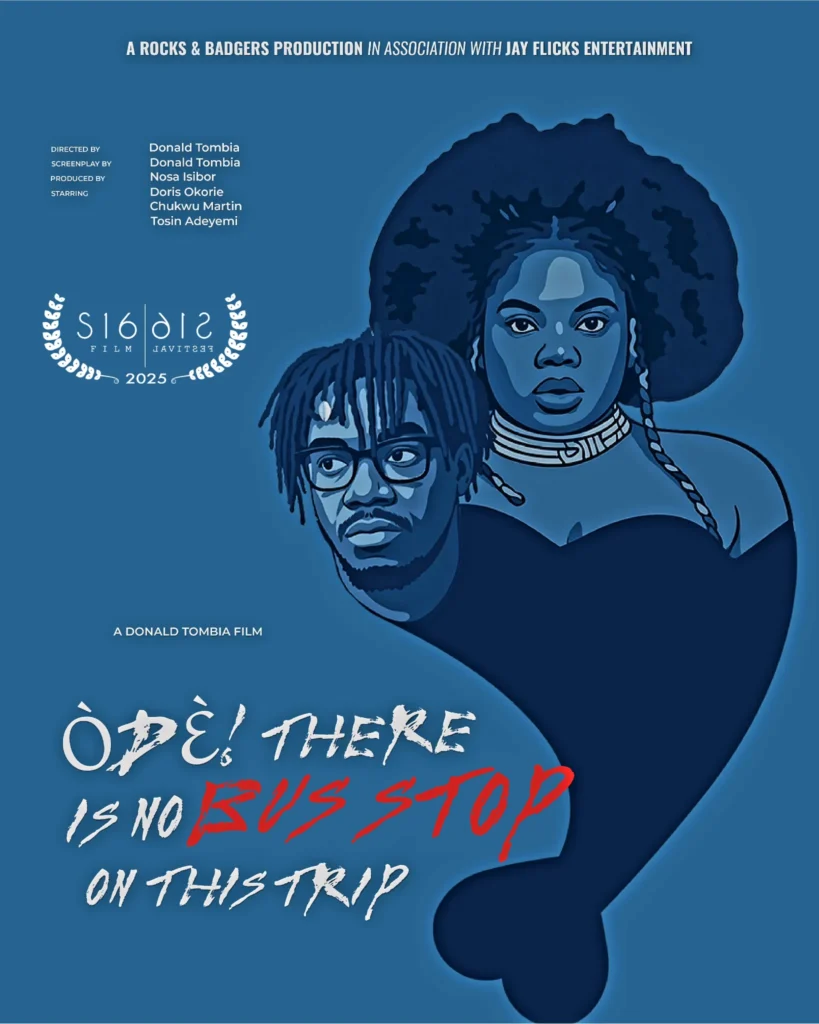
Òdè! There is No Bus Stop on this Trip heightens the economic struggles of Nigeria’s youth to a psychedelic drug induced trip that is heavy on visual provocation but light on any real commentary.
It’s Donald Tombia’s attempt to reintroduce himself as a filmmaker tackling the usual with an unusual approach; one more surreal, breaking away from the formality of new Nollywood, but the film layers on sheens of dream state visuals after Ejikem (Chukwu Martin) and Akumjeli (Doris Okorie), a struggling cohabitating couple, go on a drug trip during her birthday celebrations. The anxieties of youth close in on them in confusing ways more concerned with approach than story—Salvador Dali’s surrealist painting The Persistence of Memory showing up in a way that nods to surrealist imagery without a strong story.
With performances that try to carry the film’s absurdity, it stumbles through its highfalutin commentary on the predatory system we all exist in and maybe that’s enough to carry it.
70 X 7
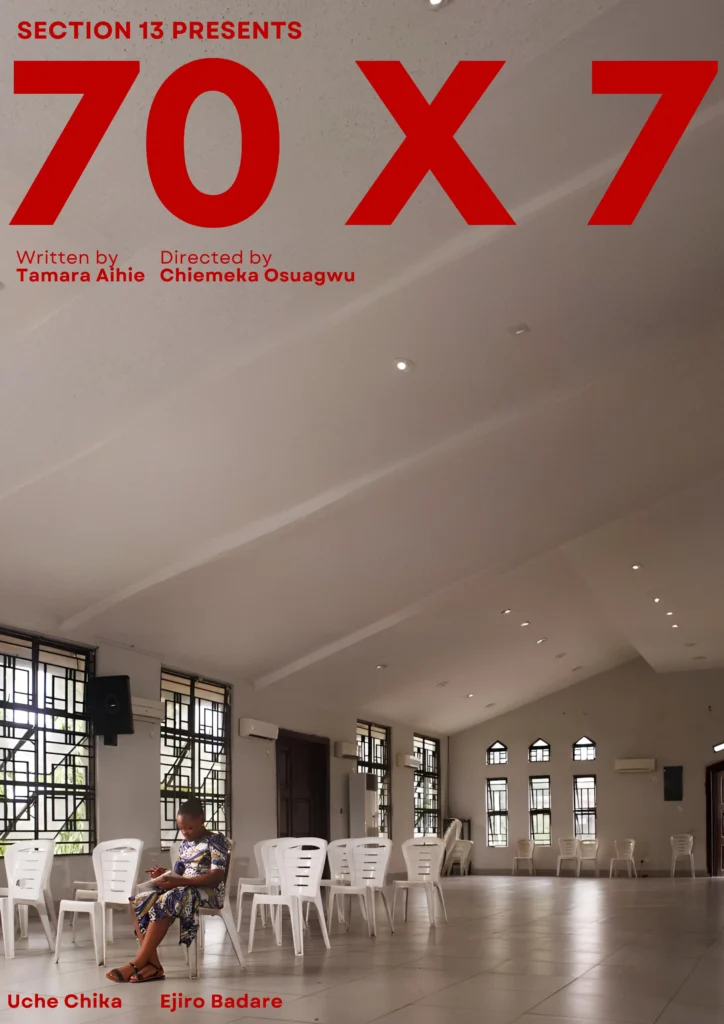
Majority of 70 X 7, directed by Chiemeka Osuagwu, occurs in a single room with an often static camera where Father Oscar (played by Ejiro Badare) grapples with a woman’s decision to stop forgiving anybody after meeting the bible mandated quota of seventy times seven. It’s already a funny premise that hinges on a conversation between an arbiter of the gospel and a woman whose life experiences have banished forgiveness from her life.
Unfortunately, the performances needed to keep the gears of this premise moving are absent. Ejiro is stiff as Father Oscar, holding a singular facial expression for most of the film, while Uche Chika Elumelu as the unnamed woman holds her own better than her co-star.
Written by Tamara Aihie, it’s a film that could be generously read as a study on the impossibility of unlimited forgiveness but it doesn’t explore much beyond the surface, totalling in a predictable end that could have been earned by a more interesting visual and narrative exploration.
The 5th edition of the S16 Film Festival took place in Lagos from December 1-5.
Become a patron: To support our in-depth and critical coverage—become a Patron today!
Join the conversation: Share your thoughts in the comments section or on our social media accounts.