“Street ti take over.”
A Nigerian slang that has become one of the infamous expressions of contemporary Nigerian pop culture. It suggests that the street is no longer a place at the edges of society. It is where music is born, where dance styles emerge, where language evolves, and, as trends show, where urgent stories of West African life on screen are unfolding. Recent films from Nigeria and Ghana see filmmakers interested in the streets both as a backdrop for poverty or crime and a living social space filled with movement, labour, kinship, ambition, and survival.
Films such as Nigeria’s When Nigeria Happens, On Your Own, The Almajiri and On The Move; Ghana’s Ego Reach We All, and Zjili: A Story of Sisterhood and The Burdens of Excess show how Nigerian and Ghanaian filmmakers are reimagining street life through various film formats.
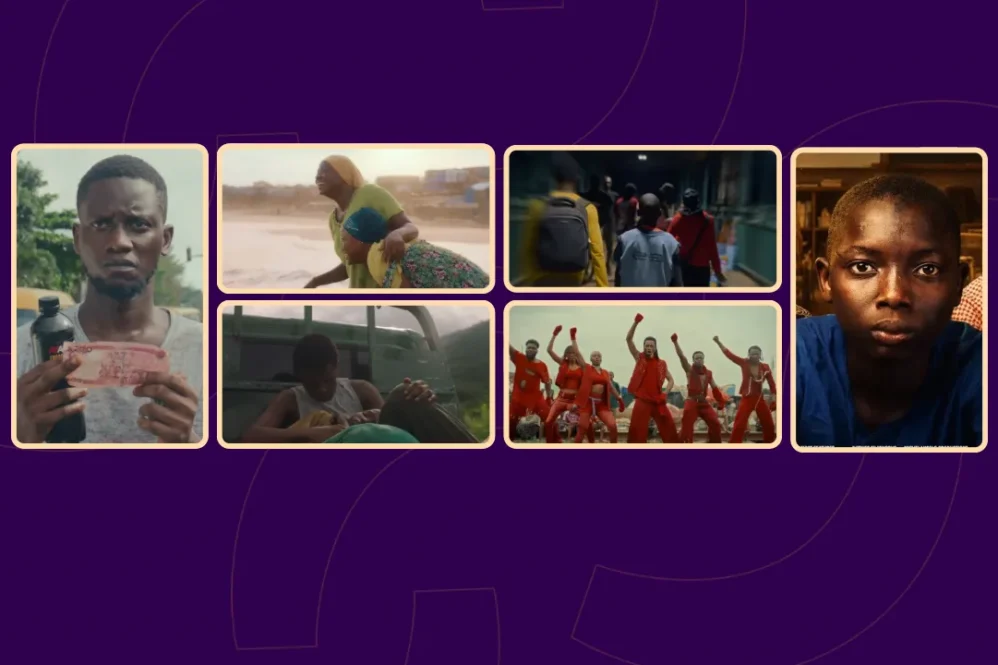
Ema Edosio’s When Nigeria Happens is one of the clearest and most recent examples. The film follows a group of young Lagos street dancers trying to build a future through their art while dealing with financial pressure and personal setbacks. In this, Edosio doesn’t include dance only for its spectacle, but as the film’s emotional language. Co-written by Edosio and Oduwole Adebayo, the dancers express the emotional length of their feelings through movement on the street and in their shared rundown spaces. The streets of Lagos are filmed in constant motion, letting us in on the lives of young creatives who want to exist outside traditional structures of employment and success.
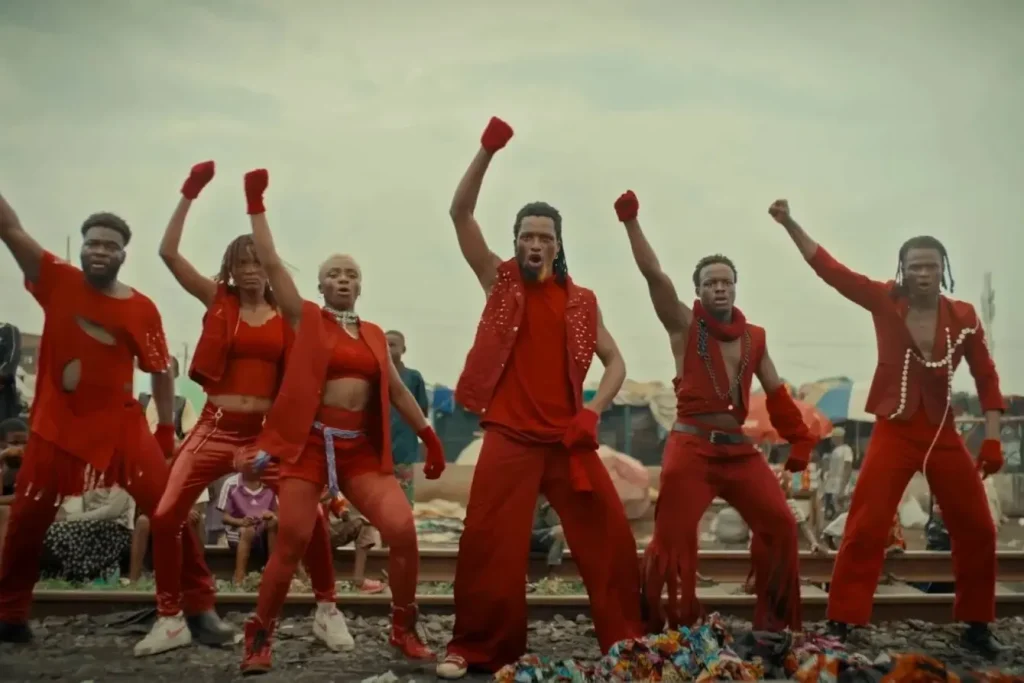
Rehearsal spaces, crowded streets, and open public areas come together until the city begins to feel like an extension of the dancers’ bodies. Edosio also uses a naturalistic visual style that gives the film the texture of lived experience. Handheld camerawork, naturalistic performances (with characters mostly played by non-actors and real-life dancers), and attention to the rhythms of everyday Lagos life create the feeling that the camera is within the community rather than observing it from a distance.
The crowded streets produce choreography, friendships, and a collective identity. One of its central tensions emerges when illness and financial pressure threaten the dancers’ artistic dreams. The street then becomes a place where creativity and survival are inseparable. As one of the few resources available to them, the characters dance because they are artists.
Ego Reach We All (Our Time Will Come), directed by Amartei Armar, strengthens this conversation by showing how economic insecurity shapes lives beyond the city. With a world premiere at the 2026 Locarno Film Festival (winning two awards), the film follows two orphaned children, Owusu and Adobea, who travel through the Ghanaian countryside searching for the parent they believe can help restore their inheritance after their father’s death. There, they fall into the vices of the streets, turning to lock picking and petty theft to sustain themselves. Largely set on the streets of Accra, Ghana’s capital city, the film shares the same concern with people pushed into uncertain journeys on the street and the search for a future that feels just out of reach.
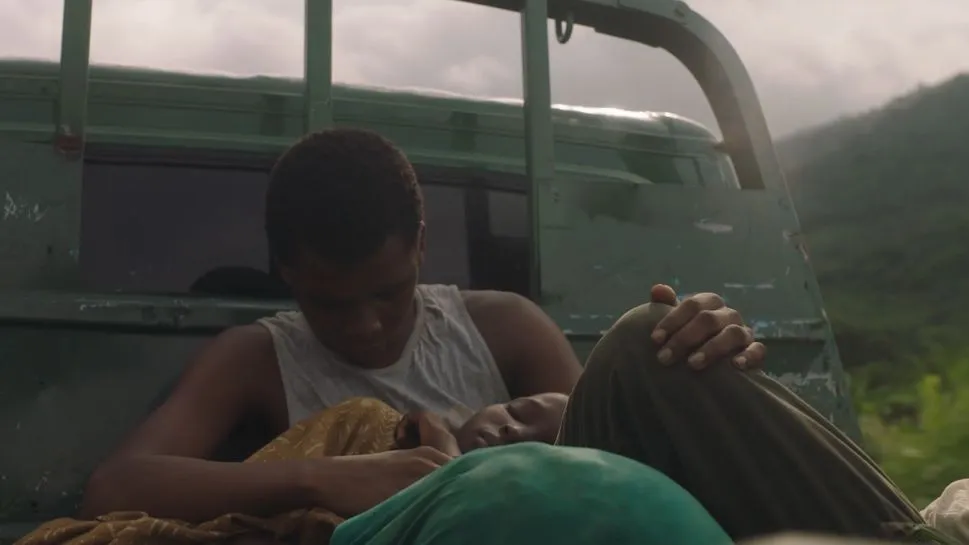
That question of what poverty does to a young person’s choices also runs through The Almajiri, the last feature from the First Features initiative. Set in the ancient city of Kano, Jammal Ibrahim’s film follows Rabiu, a gifted almajiri whose circumstances threaten to limit his future even though he dreams of becoming a tech engineer. The opening sequence of the film sees him and two other young boys roam the mud-brick architecture of the markets, looking for valuables to steal from unsuspecting shoppers. Unlike Ego Where We All, where the characters join a group of jackals, Rabiu piques the interest of a teacher who recognises his ability and fights for his education.
The choices available to the children in Ego Reach We All and The Almajiri come down to poverty and the need to survive. Directed by Christine Boateng, Hajara Musah Chambas, Zjili takes that same question into a different kind of street economy. The Ghanaian feature, set to world premiere at TIFF 2026, follows Zoya, a young woman who leaves Northern Ghana for Accra and becomes a kayayo, a head porter who carries goods through the city’s markets.
The kayayo has been one of the most visible symbols of urban inequality in Ghana. Zjili frames the experience through the lens of sisterhood and burden. The streets of Accra are shown as spaces of exhaustion, negotiation, and female resilience. Typically, markets become a network of relationships among women who share information, protection, accommodation, and emotional support.
Zjili fills the street with physical labour. Carrying loads on the head becomes its own kind of performance, revealing the discipline required to survive urban life. The film’s attention to bodily effort highlights a different truth about West African streets, they are sustained by invisible female work.
The contrast between northern Ghana and Accra is also crucial. The street is presented as a destination created by economic necessity. Migration is seen as an ongoing negotiation with vulnerability. In this sense, Zjili expands the idea of street cinema beyond youth culture and entertainment to include the gendered realities of urban survival.
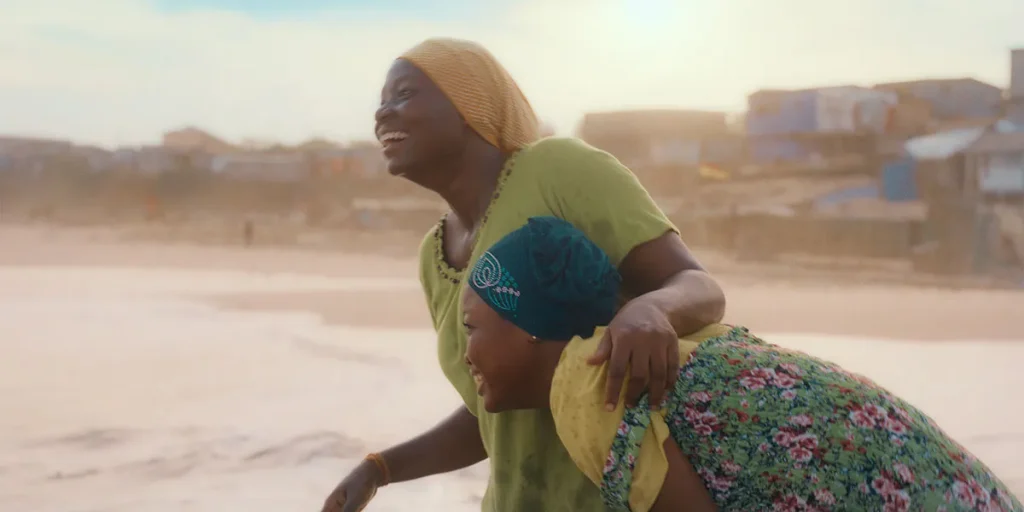
Zjili connects naturally with Gbenga Adeoti’s On The Move, which also focuses on people whose livelihoods depend on movement on the street. Presented by Planet Bottling Company, Reaktor Energy Drink, and EbonyLife Creative Academy, the project includes On The Move, a narrative short film, and On The Move: Chasing Tomorrow, a companion documentary directed by Gbenga Adeoti.
Both projects centre on Lagos traffic hawkers, the men and women who move through endless lines of vehicles selling goods to commuters. Like the kayayos in Zjili, these hawkers rely on the street as a source of income, opportunity, and hope. Their work is physically demanding and often invisible to the people who benefit from it. By focusing on their daily routines, the project draws attention to the labour that keeps the city functioning beneath its constant traffic and noise.
Written by Dawn Ntekim-Rex and produced by Adebisi Quadri, On The Move explores survival, ambition, and hope through fiction, while On The Move: Chasing Tomorrow follows the lives of real traffic hawkers through documentary. The decision to present both versions of the story lets audiences experience both the emotional interpretation of street life and the lived realities behind it.
The connection between Zjili and On The Move is striking because both films focus on workers whose bodies carry the weight of economic survival. Zoya carries goods on her head through Accra’s markets. The Lagos hawkers carry products through traffic, weaving between cars for hours each day. In both cases, public space becomes a workplace, and movement becomes a form of labour. The street is the structure that shapes their opportunities, their exhaustion, and their hopes for tomorrow.
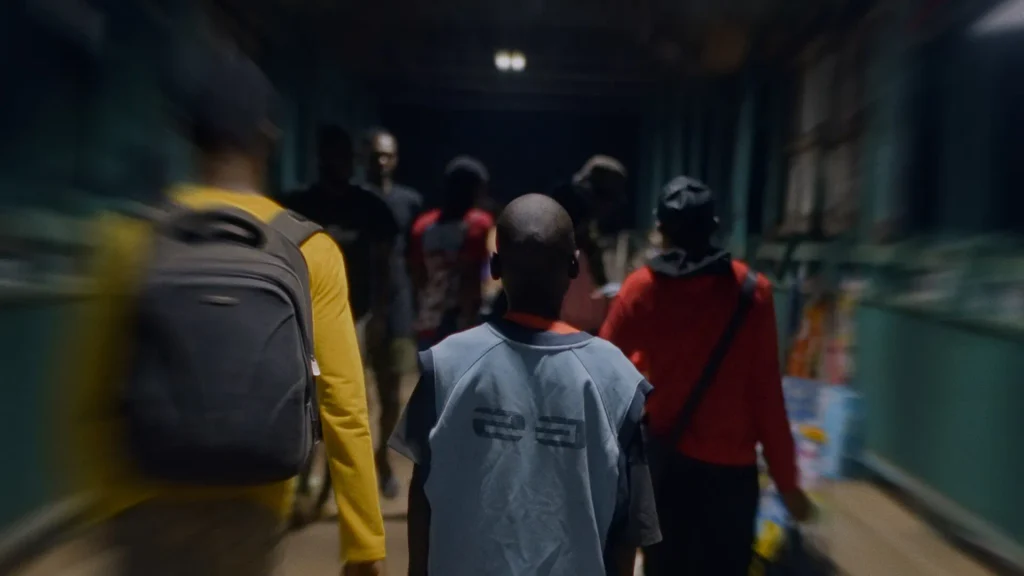
Daniel Itegboje’s On Your Own takes the conversation toward a non-fiction point of view. The documentary gives a closer look at the real experiences of young boys, known as the Elema Boys, living and hustling on the streets of Benin City, observing their routines, struggles, and moments of resilience without the dramatic structure of a fictional narrative.
Older Nollywood and Ghallywood films often used the street primarily as a setting for criminality, moral danger, or comic disorder. Area boys, thieves, corrupt police officers, and urban violence frequently dominated representations of public space. While those elements have not disappeared, contemporary filmmakers are broadening the emotional and social possibilities of the street.
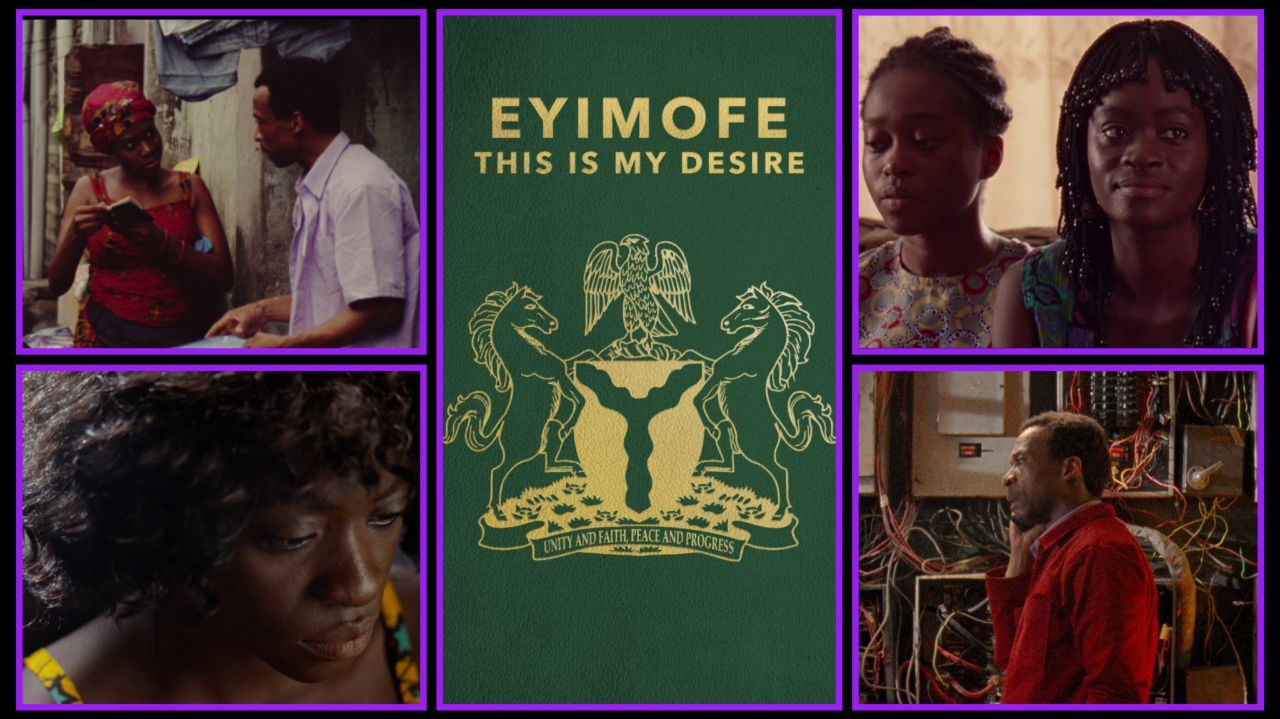
A useful broad companion of films with key scenes set within street life is Eyimofe (This Is My Desire) by the Esiri brothers. Although not centred on street culture, it pays attention to the everyday infrastructures of Lagos: bus rides, small roadside businesses, and the city’s ambience as important factors to the story. The film demonstrates how public space forms intimate personal decisions, particularly the desire to migrate abroad. The street becomes a record of accumulated frustrations rather than a mere source of danger.
Similarly, Akinola Davies Jr.‘s My Father’s Shadow uses Lagos streets to evoke memory, political tension, and national atmosphere. The city is filmed partly in chaos but mostly containing stillness, observation, and human connection. Together, these films suggest that West African filmmakers are interested in the layered texture of urban life.
This regional conversation is significant because it shines a light on broader demographic realities. West Africa is one of the world’s fastest-urbanising regions, and a large proportion of its population is young. Filmmakers are responding by creating stories that capture the uncertainty of urban youth, the pressures of urban migration, and the inventive ways people build community within overcrowded cities.
“Streets ti takeover” turns out to be an unexpectedly accurate description of where some of the most exciting West African cinema might be heading. Films such as When Nigeria Happens and Zjili show that the street has become a central narrative territory for a new generation of filmmakers. Yet these directors are not interested in repeating familiar images of African urban chaos. Instead, they approach the street as a space of choreography, labour, migration, memory, and collective survival.
Become a patron: To support our in-depth and critical coverage—become a Patron today!
Track Upcoming Films: Keep track of upcoming films and TV shows on your Google calendar.