The landmark 15th edition of the Africa International Film Festival (AFRIFF) ended in Lagos on November 7, after a week of film screenings, industry meetings, masterclasses and other activities. There was a lot to look forward to before the festival began, with a reported 135 films (we can’t confirm how many actually screened) in its official lineup under the theme ‘Frames of the Future’.
The AFRIFF Film and Content Market (AFCM) also made a return for its second edition, alongside special presentation of films from Nigeria and other countries. Weirdly, a film in the special presentation segment made its way into competition and took home an award.
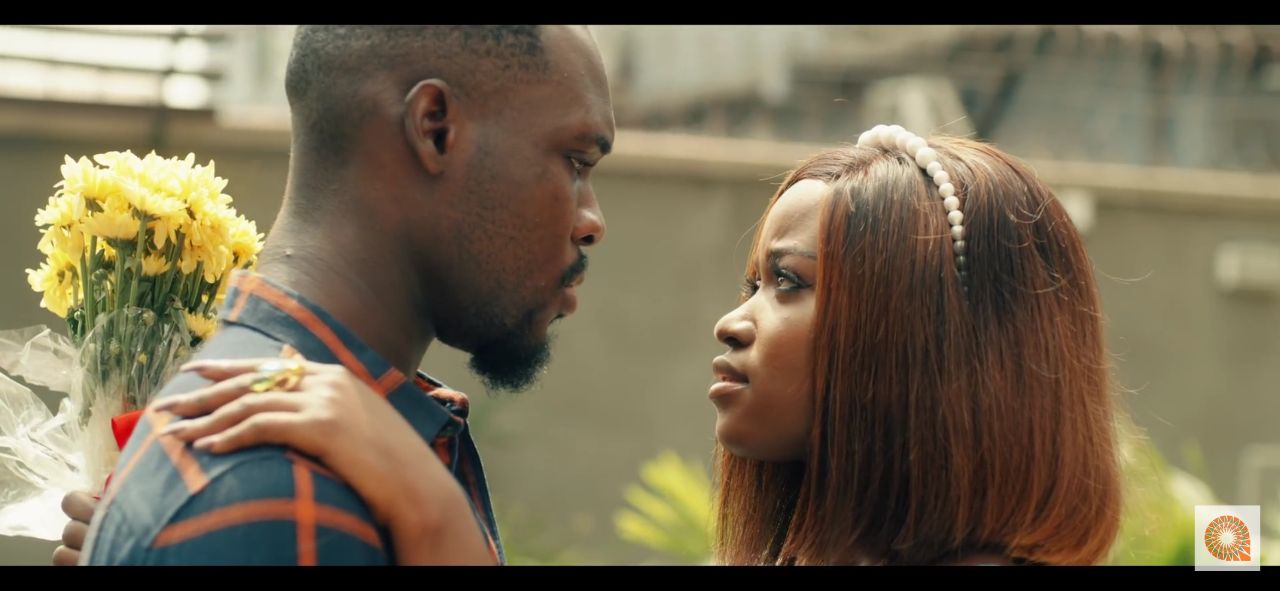
Olive Nwosu’s Lady opened the festival, while Hakeem Kae-Kazim’s It’s the Blackness was announced as the closing film. However, the closing film is one of the films that we can confirm did not screen as planned. Its screening was cancelled, with no clear communication to attendees about the change. Instead, The Spectacular Death of Prisca screened on Friday as the festival’s closing film for the day. On Saturday, when It’s the Blackness was originally expected to screen, audiences were shown The Rise of the Machine, a short film/album rollout by Odumodublvck, directed by TG Omori, his second project to close the festival following Flavour’s Afroculture in 2025.
The Good Amidst The Chaos
Believe it or not, AFRIFFIFTEEN got off to a good start. Though the opening night didn’t start as scheduled (not new with Nollywood events), which led to a scrapped Q&A session for the opening film, the first two days of the festival showed promise of an averagely well-organized festival on the horizon.
Screenings from Monday were right on time, but a discontent would be AFCM booths not being ready to take on buyers, investors and industry professionals looking to do business on the first day of the market. This meant AFCM panels for the day took place in another location, only privy to participants who sought out the venue. The quality of Olive Nwosu’s Lady as the festival opener also set expectations for this year’s lineup compared to the last two editions.
Selections such as Slum Bomber, Adanne, Binta is Okay, One Woman One Bra quickly became audience favourites. Amongst the screened films, Jide Okeke’s musical drama Which Way, got mixed reactions. On one hand, the film was applauded for taking a road less travelled in Nollywood productions (musical film), on the other hand, some audiences strangely thought it too much music despite being in a hall for a musical film.
In other developments shared exclusively with What Kept Me Up at the festival, Olive Nwosu’s Lady is expected to arrive in cinemas in the first quarter of 2027 through FilmOne. Dolly Nwaduba’s Achalugo, one of the Goes to Cannes projects, is now in production, starring Rita Dominic and directed by Daniel Oriahi. Dear Dija actor Praise Adejo is currently signed to the fairly new company Baggyland Productions, dedicated to producing more young adult projects. Meanwhile, Grace Yakubu’s AFRIFF 2025 film Aljana, currently being shopped by Trino, inches closer to our screens.
Here Comes The Lows
One of the biggest and recurring problems was the number of screenings that did not happen as scheduled or that were disrupted. One of the confirmed cases is Victor Eyike’s Anwuli which was originally scheduled to screen on Friday. Lady, which had already opened the festival, was also scheduled for another screening on Thursday. That screening was met with technical issues that forced a rescheduling. The special screening of Walter Thompson-Hernández’s If I Go Will They Miss Me starring Danielle Brooks was also moved due to a nonfunctional cooling system in the halls that were poised to host the film. Their reschedulings were both communicated to guests.
There were reports of some foreign language films being shown without subtitles. Other films appeared with computer taskbars visible on the screen, while some were shown with watermarks because available versions were not as suitable.
The screens themselves were another source of complaints. Audiences noticed a blue tint across some of the screens, which affected the colours in the films. This was particularly frustrating for films whose cinematography and colour grading are important parts of the viewing experience.
AFRIFF Film and Content Market 2026
Away from the screenings, the AFRIFF Film and Content Market returned for its second edition from November 2-6 at Twinwaters, and Landmark Centre.
Its programme included discussions around film financing, distribution, co-productions, policy and the business of making films in Africa. There were also opportunities for filmmakers to present projects and meet potential partners.
The market is proving to be an important part of AFRIFF’s programme. African filmmakers need access to financing, distribution and people who can help their films reach audiences within and beyond their immediate markets. But the value of a market cannot be measured only by the number of panels (some topics which could be seen as rehashed from previous years) or meetings held. The real test will be how these conversations lead to opportunities and deals, which we will be tracking ahead of the next edition.
Key Takeaways From AFRIFF Grounds
At least three panels at AFCM returned to familiar subjects under film financing, distribution and positioning of African cinema before global audiences. These are important issues, but they have occupied industry discussions for years.
“What practical changes are these conversations producing?” people asked. The market provided a space to revisit these questions, but the industry still has to contend with the distance between identifying its challenges and finding workable solutions. We must remember, it’s not AFRIFF’s job to effect these changes. Instead, it reflects how things have remained stagnant which is more of a country, economy and industry problem. What’s solely on AFRIFF organization is that they need to find new angles to these perennial topics and issues.
The choice of Jonathan Majors and Meagan Good as international guests was a talking point online and on festival grounds. Some guests questioned AFRIFF’s decision to bring Majors to the festival, given the controversy surrounding his public image. His appearance at a festival panel drew a small number of audience during a conversation that returned to his Hollywood career, his former standing in the industry and the circumstances surrounding his career. It was an unusual focus for a festival gathering, and it raised questions about the choice of international guests and the kind of engagement AFRIFF hopes to encourage through their presence.
After 15 editions, AFRIFF has established itself as a gathering place for African filmmakers and audiences. However, this year’s edition showed that the festival’s growth must be matched by greater attention to its organisation, the quality of its screenings and the experience of the attending filmmakers and audiences
AFRIFF 2026 Jury and Globe Awards Winners
The films in competition at AFRIFF 2026 were judged by an international jury of filmmakers, producers, critics and other film professionals. The jury was coordinated by Zimbabwean-born film curator and programmer Keith Shiri, who joined the festival as its Festival Programmer and Jury Coordinator.
The ten jury members were Jean-Pierre Bekolo, Fibby Kioria, Blessing Uzzi, Jerry Chiemeke, Michel Tabet, Tshepiso Chikapa Phiri, Femi Elufowoju Jr. OBE, Dr Ahmed Al Othman and Jemilah Alghali, alongside Shiri. Their experience spans film production, criticism, programming, documentary filmmaking, theatre and entertainment.
The festival also presented the Herbert Wigwe Award for Excellence to South African film producer Joel Chikapa-Phiri, Hollywood actor Danielle Brooks, FilmHouse Group CEO Kene Okwuosa and French producer Francis Nebot. The award recognises contributions to African creativity and the creative industry.
Here’s an official list of the award winners.
Best Feature Film: Slum Bomber
Best Director: Olive Nwosu (Lady)
Best Actor: Stevenson Jean (The Tropic Sun and His Eyes)
Best Actress: Sarah Karen (One Woman One Bra)
Best International Feature Film: The Tropic Sun and His Eyes
Best Documentary: Miss Jobson
Best Documentary Short: The Throne of Wood
Best Short Film: The Spectacular Death of Prisca
Best International Short Film: Little Soldier
Best Animation: Lice N’ Shine
Audience Choice Award: Adanne
Jury Prize: Variations on a Theme
Pulse Rising Filmmaker Award: The recipient of this newly introduced award was not announced at the awards ceremony and an official announcement is yet to be made.
Become a patron: To support our in-depth and critical coverage—become a Patron today!
Track Upcoming Films: Keep track of upcoming films and TV shows on your Google calendar.