Seeing the world through the eyes of adolescence feels different in a way that’s hard to ignore. It’s a perspective that hasn’t been tainted by the weight of adulthood yet, where things are still a bit more open, more curious and sometimes unguarded. Emotions come as they are, without being filtered or explained away.
(Click to Follow the What Kept Me Up channel on WhatsApp)
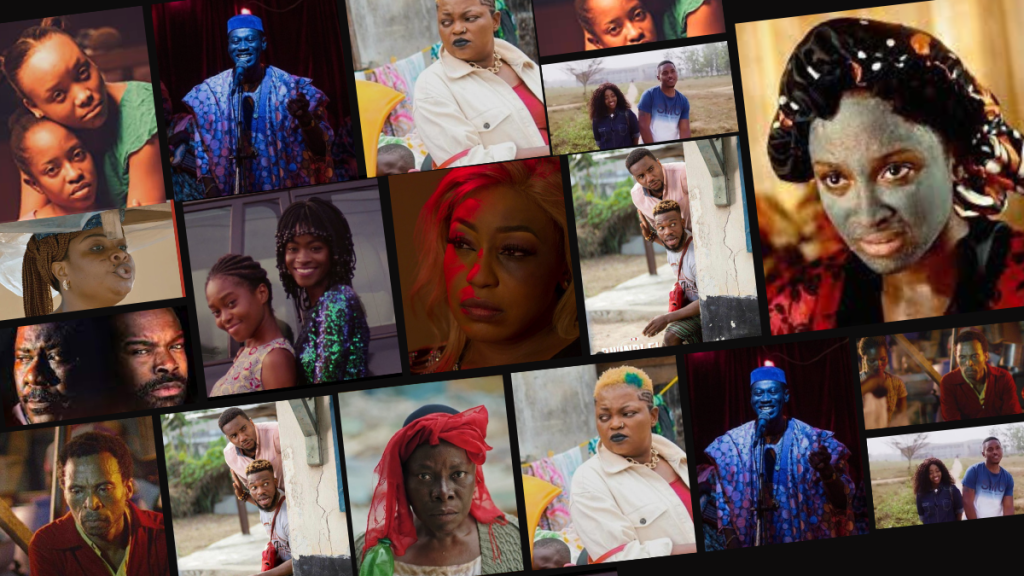
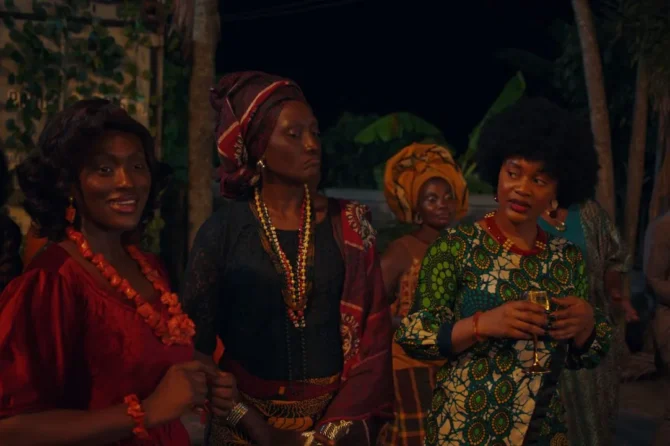
By the end of March, a pattern had begun to take shape across my recent viewings; four out of five films I’d seen echoed the theme, Through The Eyes of Adolescence, informed by the late March event hosted by African Cinema Classics and VISIONS Film Society, where films like Burkina Faso’s Yaaba and Mexico’s Viaje de Negocios were curated.
Alongside Ifeoma Chukwuogo‘s Bariga Sugar and Dear Dija, these films do more than centre young characters. They bring forward deeper societal tensions through an adolescent lens, one that is innocent, brave, and not yet constrained by the expectations of the adults around them.
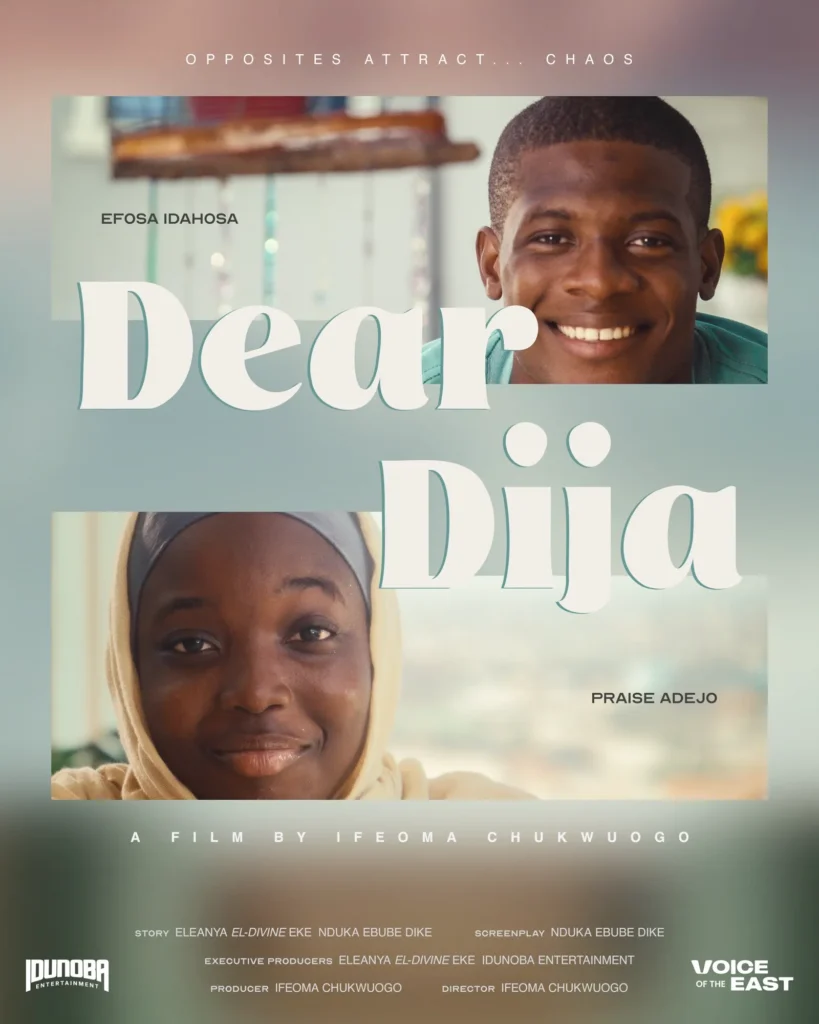
We all find ourselves returning to moments that once were, or to versions of what could have been. Memory has a way of holding us there, especially when it is filled with small, meaningful details. Chukwuogo’s Dear Dija does that in the most tender, loving way.
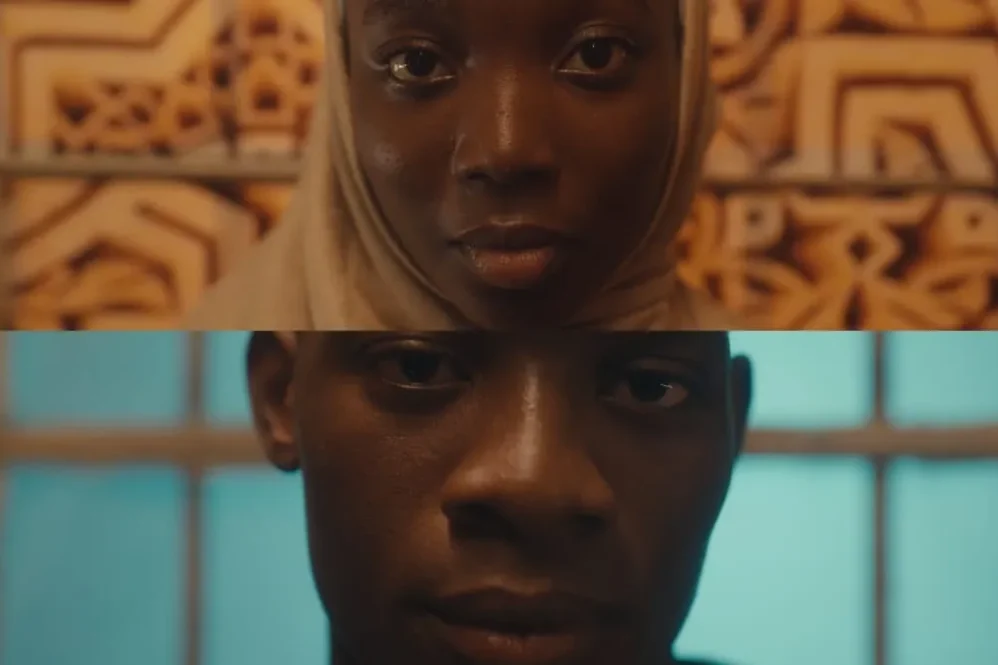
Written by Nduka Ebube Dike, the short film follows Nnamdi and Dija, two teenagers (played by Praise Adejo and Efosa Idahosa) who begin to develop feelings for each other through lighthearted conversations from their balconies.
The story builds its world around that simple premise, using that simplicity to explore a more complicated world that lay within the characters’ young lives. The dialogue between them carries much of that weight. Conversations feel rich and appropriate to their reality, even when they slip into moments of cheesiness. Rather than weaken the film, those lines land as part of the honesty of young love, earnest, sometimes exaggerated, and deeply felt.
Dear Dija places two young people at the centre, letting their growing connection sit alongside the reality of their different backgrounds, a difference treated as something already present, already understood, even if never fully spoken out. In many ways, that understanding reflects a wider Nigerian reality, where religious and cultural divides are deeply ingrained, often accepted without question, and carried into everyday relationships.
That underlying awareness lingers through the way memory and time are handled in the film. It plays like a moment being held onto, as if the story itself knows it cannot last in the way the characters might want. That reluctant character acceptance gives the film its emotional pull. It becomes less about what happens next and more about what this moment means while it exists.
The film’s engagement with religion and freedom becomes sharper through its handling of family. For most of its 28-minute runtime, Nnamdi and Dija exist in a space of their own, yet their parents hover over every interaction. Absence becomes its own kind of presence, making restrictions feel larger than they appear, almost looming. Nnamdi, who lives with his single mother (beautifully played by Uche Chika Elumelu), moves in a different kind of space than Dija, whose life is clearly shaped by a two-parent Muslim household.
The film’s softness takes a sharp turn when Dija’s father confronts Nnamdi’s mother in a derogatory manner. It is an abrupt moment, one that disrupts the tenderness that came before it and firmly enforces the boundaries that had only been implied. The transition feels sudden, but that jolt mirrors the characters’ reality—how something gentle can be interrupted by forces much bigger than them.
Years from now, Nnamdi and Dija will remain in that fixed memory they cannot shake. They will continue to refer to themselves as first loves without ever truly knowing what could have been. In the end, Dear Dija questions what freedom looks like for young people growing up within these structures, where something genuine and possible can still be contained by limits that were set long before they arrived.
Dear Dija is produced by Idunoba Entertainment, and available on YouTube.
Become a patron: To support our in-depth and critical coverage—become a Patron today!
Join the conversation: Share your thoughts in the comments section or on our social media accounts.
Side Musings
- I love how my proper introduction to Chukwuogo is with these two films Bariga Sugar and Dear Dija. Her knack for telling simple stories well shines through.
- Nnamdi and Dija schooled me on some Nollywood Classics. Watching them with adult eyes may just be cringey but they won’t say we didn’t try.
- The way Nnamdi’s mum tells Dija’s dad that all they talk about is movies made me feel safe, can’t explain it. Dija’s dad was supposed to take her word for it. How harmful could talking about movies be?
- The building looks just like my uncle’s house that I grew up in Aba, Abia State. The writer, Nduka Dike, has an illustration that he drew from being inspired by those houses and informed Dear Dija’s location.