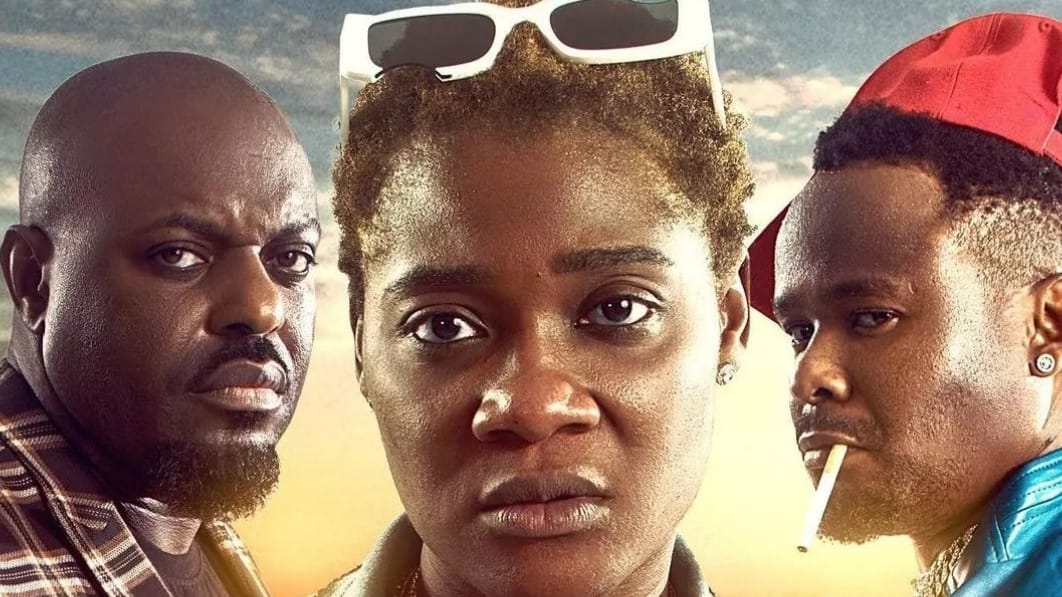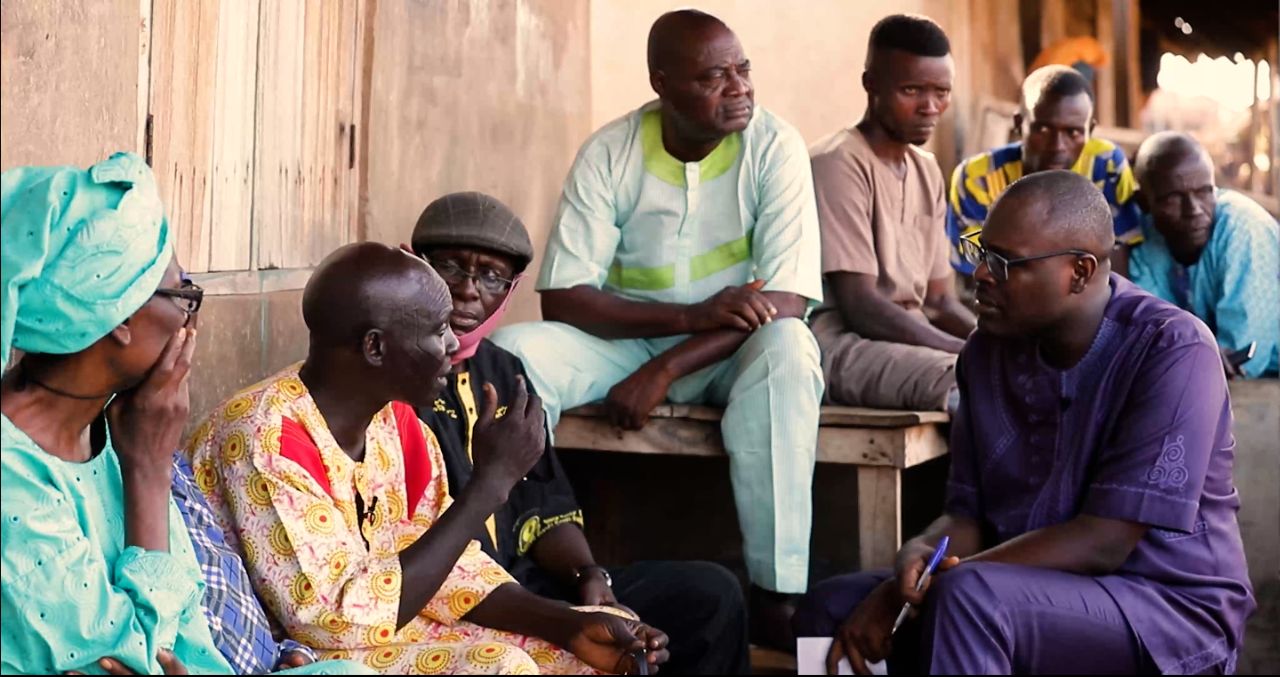
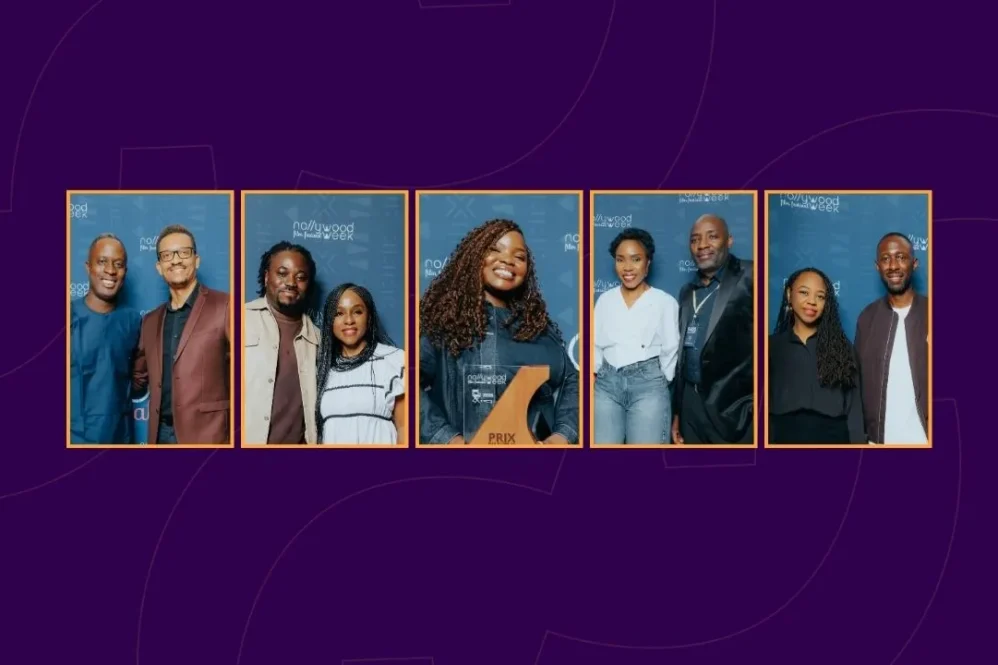
NollywoodWeek 2026 felt like a series of conversations about what African cinema needs, in order to travel further, sound better, sustain creators, and compete globally without losing its specificity. That was my biggest takeaway from the five-day film festival, which ran from May 6–10 at its long-running home in Paris, the L’Arlequin. About 22 projects from at least eight countries were screened, with some of the highest turnouts for Nigerian titles being for Mothers of Chibok and Onobiren.
For a start, it seems prestige is in the air. When we take a look at the jury award winners of the closing night (see below), similar to the Africa Magic Viewers’ Choice Awards (which took place on May 9) rewarding My Father’s Shadow, an acclaimed film on the festival circuit, it increasingly feels like festival-acclaimed films are becoming the centre of attention in African film conversations. It is still early, but these two events have helped solidify that theory. What happens in the coming months will add further shape to it.
During the festival, sound and post-production emerged as one of its most important conversations. Topics around dubbing, localisation, and sound mixing came up during partner visits to the offices of Canal+ and TransPerfect Media. There remains a widely known and recurring sound issue across many Nollywood productions, and one of the strongest arguments raised was that sound should not be treated as a “final touch,” but something considered from pre-production onward. Filmmakers sought practical solutions that post-production outfits like TransPerfect could offer the industry, especially as even a little more intentionality around sound can significantly improve a film’s global viability. Post-production is infrastructure, and it is one the industry needs to invest in more seriously.
That broader conversation around viability and international circulation also extended into discussions about the future of African content pipelines. Representatives at Canal+, Cédric Pierre-Louis and Clémentine Egasse, shared early notes on the company’s vision for Africa following its acquisition of MultiChoice. They cited growing international interest in African stories and spoke about their readiness to invest in premium projects (high interest in series format) that can travel internationally, what they referred to as a “scale strategy.” At the same time, partnerships are also being struck with select production companies to help produce lower-budget telefilms, one of which screened as a special presentation during the festival.
(Click to Follow the What Kept Me Up channel on WhatsApp)
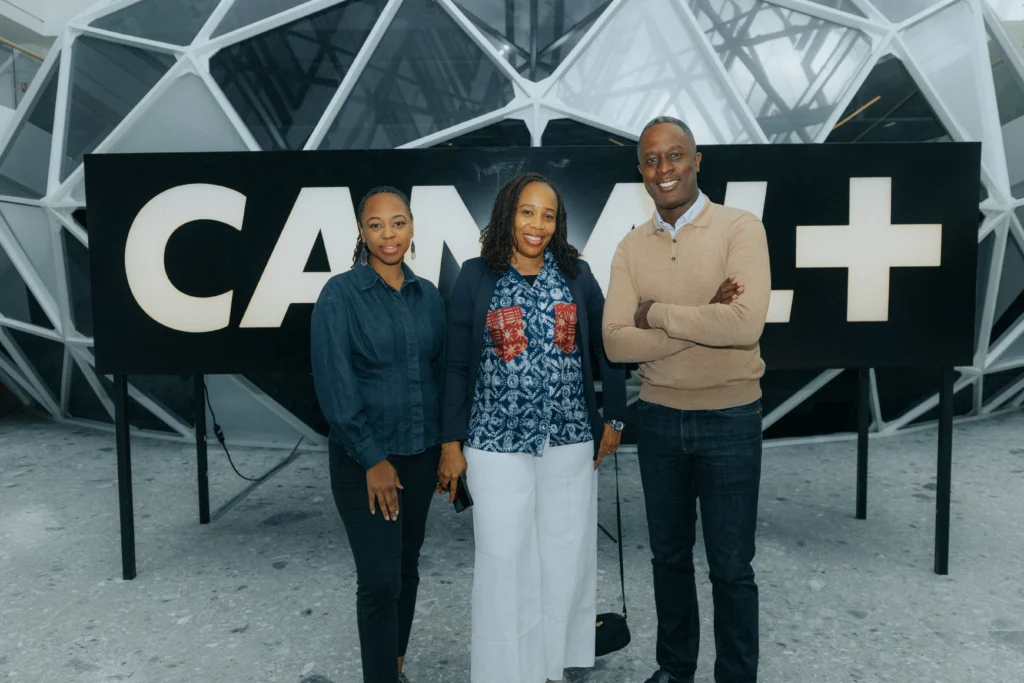
This year also saw the introduction of an industry programme at the festival for the first time, organised in partnership with the nomadic Nigeria International Film Summit. The programme featured panel sessions across a range of topics affecting the African film ecosystem, while also creating direct access points for filmmakers and industry stakeholders. As part of the initiative, two filmmakers had the opportunity to pitch their projects directly to Canal+.
Beyond conversations about infrastructure and international scalability, the festival also created space for discussions around identity, migration, and the politics of Black storytelling. The fourth day of the festival was dedicated to “Diasporan Day”, with programming deliberately centred on diasporan creators. It featured a panel conversation on microdramas, alongside special screenings of Dreaming Whilst Black and Afropolitaine, both of which engage with immigrant identity and belonging, as well as festival ambassador Thomas Ngijol’s Indomptables.
I strongly connected with Adjani Salmon, creator of Dreaming Whilst Black, during his post-screening Q&A, where he spoke about the conception of his hit series and the burden often placed on Black storytellers to constantly justify their stories. In many ways, it means Black filmmakers are perpetually treated as “emerging”. “Black people are always new. They never allow us to develop,” he said, recounting advice from a veteran filmmaker. He spoke about how white filmmakers are often allowed repetition and genre ownership, while Black creators are frequently treated as representatives rather than artists with range. There is an entire essay that could be written from that specific conversation alone, especially as it connected the shared experiences of both the British and French creators present at the special screening of their series.
Here is the full winners list of NollywoodWeek 2026 awards
Best Feature Film – Jury Award: Zoey Martinson’s The Fisherman (Ghana)
This heartfelt film showed what can be done with simple storytelling cutting across many subject matters, with well-written characters, elements of drama, and excellence in filmmaking technique.
Special Mentions: Damien Hauser’s Memory of Princess Mumbi (Kenya, Switzerland) and Ema Edosio’s When Nigeria Happens (Nigeria)
For pushing the bar with their unique style of storytelling and different tools in their visual language.
Best Short Film – Jury Award: Judy Kibinge’s Goat (Kenya)
The Kenyan film was full of soul. Its authenticity, excellence in picture and acting made it an obvious winner.
Audience Award: Famous Odion Iraoya’s Onobiren (Nigeria)
Feature film jury members include Zsuzsi Bankuti (Head of Locarno Open Doors), Prudence Kolong (Founder AfroCannes and Yanibes Foundation) and Kemi Lala Akindoju (Producer and Actress).
Short film jury members include Sandra Luce (Actress), Herve Moukoko (Producer) and Alex Louisa (Distributor).
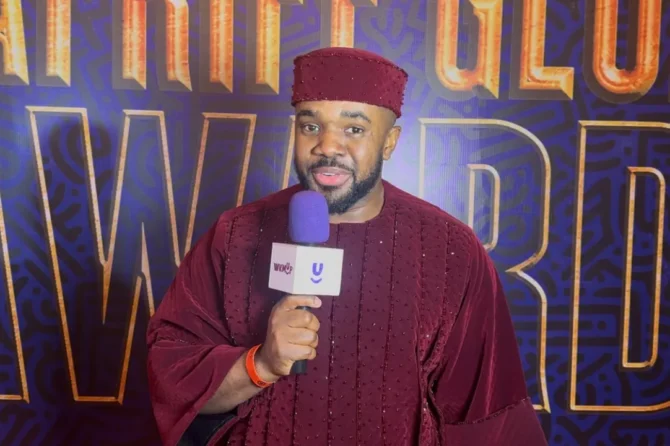
WKMUp is a media partner of NollywoodWeek 2026.
Become a patron: To support our in-depth and critical coverage—become a Patron today!
Join the conversation: Share your thoughts in the comments section or on our social media accounts.