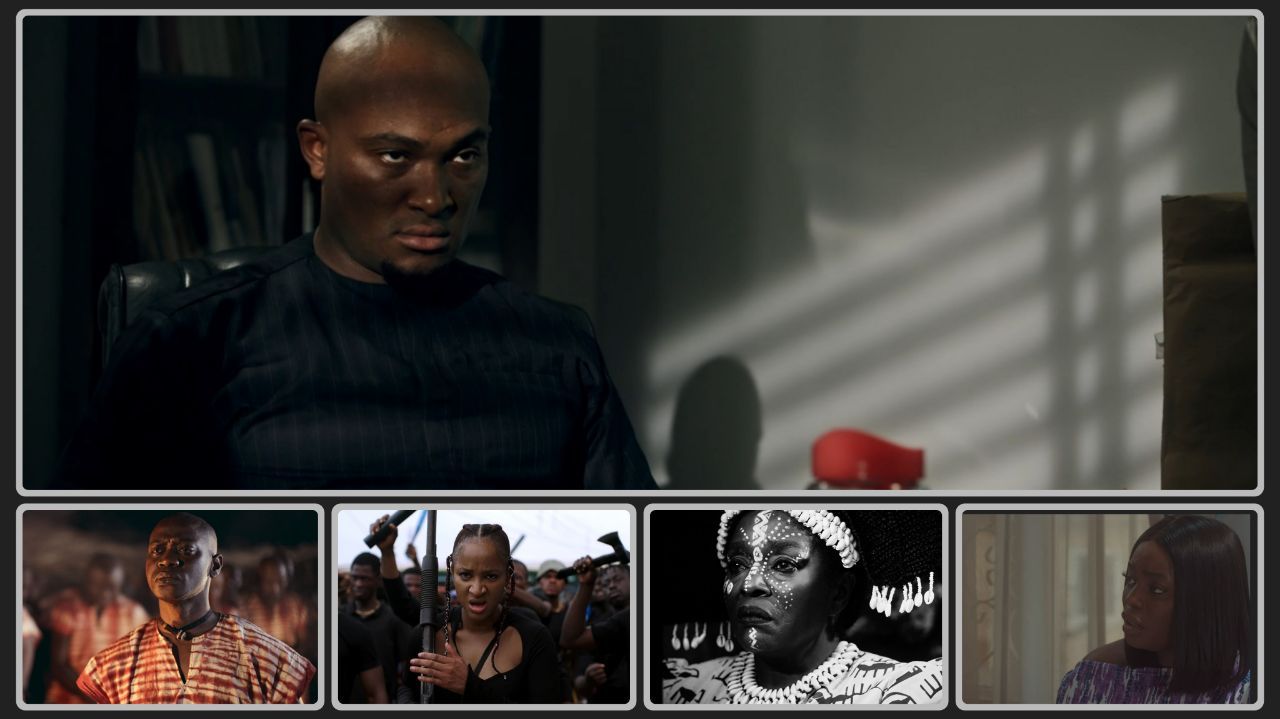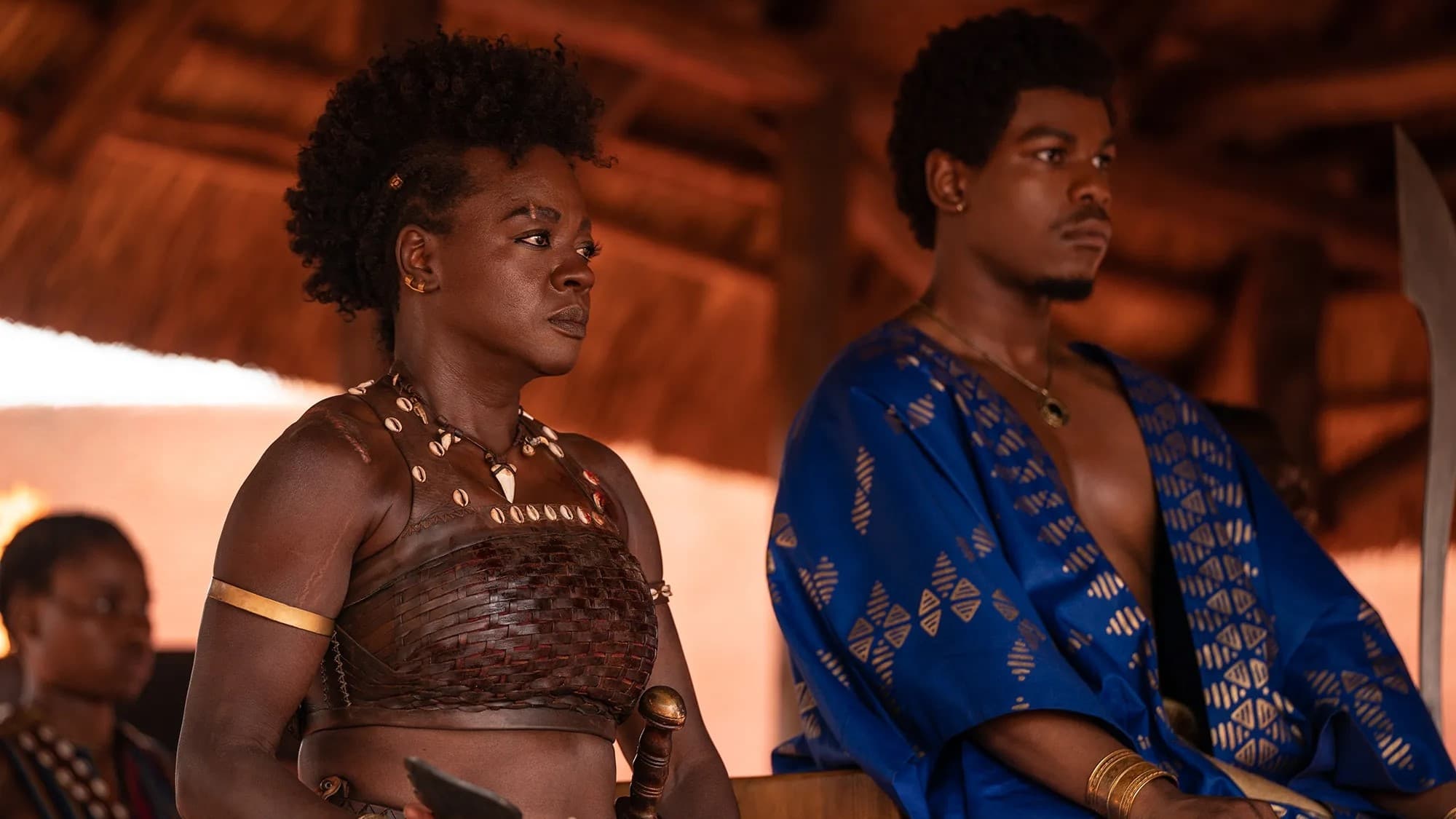
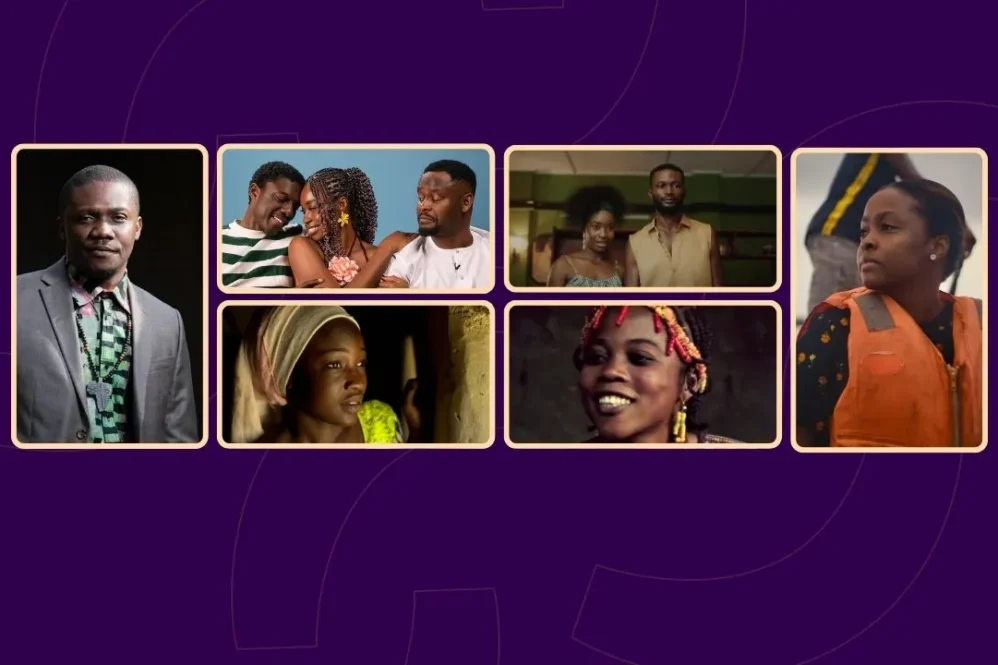
Let’s take a look back on the Nigerian film industry, through dozens of stories that we have covered, to identify broader emerging patterns so far in 2026.
There have been standout box office performers, major festival premieres, surprise award winners and headline-making announcements. But taken together, they reveal a lot of activities within the international markets, experiments around distribution and long-term infrastructure investment.
Many of these developments have been building for years, and the first six months of 2026 have brought them into sharper focus.
Looking across all of those industry stories covered by WKMUp this year, these are the nine trends that best explain where Nollywood stands today and where it may be heading next on how films are financed, where they are distributed, how companies are growing, how filmmakers are trained and how audiences are being reached.
1. International Development Begins Long Before Production
One of the clearest trends in 2026 has been how early Nigerian projects are entering international ecosystems. Before waiting until completion to seek festival premieres or sales, filmmakers are increasingly building projects within global development programmes. Dika Ofoma‘s Kachifo continued its progression through Locarno Open Doors, Fabrique Cinéma and Sørfond, while Nigerian filmmakers secured places at Talents Durban, Durban FilmMart, Sundance Ignite and the African Producers Accelerator.
2. African Co-productions Continue to Expand
Cross-border collaboration is no longer confined to Europe and North America. Nigeria–Kenya projects continue to increase, while productions involving Uganda, Switzerland, Norway, Japan and India have featured prominently this year. From C.J. Obasi’s Ugandan biopic to Imported Bahu and the intercultural romances showcased at NollywoodWeek Paris, partnerships are becoming increasingly continental. These collaborations are broadening financing opportunities while encouraging stories that can naturally move across cultures and borders.
3. Distribution Is Becoming More Flexible
The release path for Nigerian films is becoming increasingly varied. Rather than relying solely on cinemas followed by a streaming deal, producers are experimenting with virtual cinemas, campus tours, limited theatrical re-releases and direct digital releases. Onobiren, Ìfẹ̀: The Sequel, To Adaego With Love, EVI and My Father’s Shadow each demonstrated different approaches to extending a film’s life beyond its initial release. As global streamers continue to commission fewer Nigerian originals and license fewer post-theatrical films, alternative release models are becoming increasingly important.
4. More Platforms Are Finding Space for Nigerian Films
Distribution is also becoming more fragmented geographically. Instead of relying on one global platform, Nigerian films are appearing across MUBI, Criterion Channel, Canal+, HBO Max, SBS Demand, Circuits and Kava, often through territory-specific licensing deals. The Weekend remains one of the strongest recent examples of this strategy. Meanwhile, Canal’s consolidation of Showmax into DStv Stream has reshaped the subscription streaming landscape, creating new questions about commissioning and access.
5. Production Companies and Festivals Are Building International Networks
Some of the year’s most significant developments have involved our film companies themselves. Trino Motion Pictures strengthened its international ambitions through the appointment of former Paramount executive Richard Aseme, while Natives Filmworks plans to expand its First Features initiative beyond Nigeria. Festivals and film programming organisations, including AFRIFF, S16 and Filmjoint continued expanding their reach within the global film ecosystem by partnering with foreign festivals, markets, labs and development programmes. Increasingly, Nigerian film companies are investing in sales, training, partnerships and intellectual property alongside filmmaking itself.
6. Talent Development is Increasing in Various Forms
Development initiatives have featured throughout the year. Beyond international fellowships and labs, domestic programmes are placing emphasis on career sustainability through mentorship, producer development, short film markets and children’s filmmaking workshops. The industry appears increasingly aware that producing more filmmakers must be matched by stronger pathways for financing, distribution and long-term careers.
7. Documentary and Animation Continue Their Rise
Documentaries have quietly assembled one of Nigerian cinema’s strongest international years, with films travelling through Sheffield, Tribeca, Encounters and other festivals, while Mothers of Chibok also returned the format to Nigerian cinemas. Animation has similarly gained momentum through projects like Hadu: The Series and C.J. Obasi‘s Juju Soccer. Both sectors are benefiting from stronger development support and greater international visibility than in previous years.
8. Heritage is Becoming Part of the Business
The first half of 2026 also highlighted Nollywood’s growing appreciation of its own catalogue. Kunle Afolayan continued digitising and releasing his father Adeyemi Afolayan’s classics on YouTube, while legacy properties returned through films such as The Return of Arinzo, and The Return of Omotara Johnson. It seems producers are increasingly recognising their older titles as valuable intellectual property capable of reaching new audiences.
9. Commercial Success Continues Alongside Familiar Challenges
The Nigerian box office remains steady, with the strongest first-quarter admissions in six years and Call of My Life emerging as the year’s biggest theatrical success so far. At the same time, the industry continues to wrestle with familiar structural issues. Crowded release calendars, screen allocation and limited exhibition capacity remain recurring concerns, even as local audiences continue to support Nigerian films.
At this point in the industry, more producers need to collaborate on projects (as we will see in the second half of the year), more intentional investment needs to go into long-term infrastructure, and the government needs to play a key part as we increasingly find ourselves amidst international conversations.
We introduced a weekly dispatch to help you keep up with key happenings within Nollywood, beyond the noise of a very busy industry like ours. Piloted on Instagram, Twitter and LinkedIn earlier in the year, it will also be published on the website from the second half of the year.
A version of this article was originally published as an exclusive newsletter to subscribers earlier in July. Subscribe here for monthly closer look articles on select industry topics.
Become a patron: To support our in-depth and critical coverage—become a Patron today!
Track Upcoming Films: Keep track of upcoming films and TV shows on your Google calendar.